
Last Updated on March 20, 2026 by Craig Allen Keefner
Healthcare FAQ
Healthcare kiosks support everything from patient check‑in to payments and education, and most patients now accept self‑service as a normal part of care when it is well‑designed and accessible.
What are kiosks used for in healthcare?
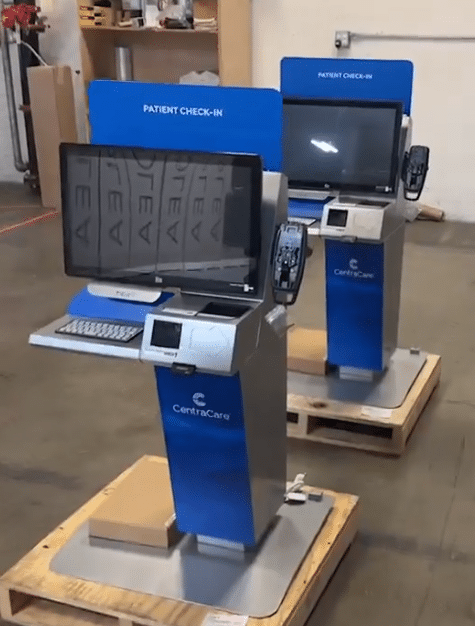
Healthcare kiosks are used for patient check‑in, identity verification, updating demographics, signing consent forms, and completing intake questionnaires. They can also verify insurance, collect copays, provide wayfinding, display educational content, and support triage or screening workflows in clinics and emergency departments.
Are healthcare kiosks HIPAA compliant?
Healthcare kiosks are not automatically HIPAA compliant; they must be designed, configured, and operated to meet HIPAA/HITECH privacy and security requirements. That typically includes privacy screens, secure log‑out, encrypted transmission and storage of PHI, access controls, audit logs, and documented policies for data retention and third‑party vendors.
How do kiosks improve patient check-in?
Kiosks streamline check‑in by letting patients confirm appointments, update information, complete forms, and verify insurance in a guided, step‑by‑step flow, reducing queues at the front desk. This improves data accuracy, shortens wait times, lowers staff workload, and can significantly boost patient satisfaction from the moment they arrive.
Are healthcare kiosks required to be accessible?
In the U.S., healthcare kiosks used by the public are expected to be accessible under the ADA and related guidance, just like other self‑service terminals. Best practice is to provide accessible reach ranges, tactile or audio options where appropriate, screen designs that support low vision and limited dexterity, and policies to ensure equivalent service if a kiosk cannot be used independently.
Can kiosks handle insurance and payments?
Yes, many healthcare kiosks support insurance card scanning, eligibility verification, and collection of copays or outstanding balances via integrated payment devices. These systems must meet both HIPAA and payment security standards (such as PCI), often using point‑to‑point‑encrypted payment hardware and carefully defined responsibilities between providers and vendors.
How do patients respond to self-service?
Studies and real‑world deployments report high patient adoption and satisfaction when kiosks are intuitive, fast, and supported by staff. Some providers cite adoption rates above 90–99% and significant drops in check‑in times, with patients appreciating control over their data entry and the reduction in waiting and paperwork.
Where are kiosks typically deployed in facilities?
Healthcare kiosks are commonly placed in entrances, lobbies, and registration areas for check‑in and wayfinding, as well as in outpatient clinics, imaging centers, and emergency departments. They may also appear in pharmacies, labs, and specialty clinics for queue management, self‑registration, and targeted education while patients wait.
More Resources
End of FAQ{“@context”:”https://schema.org”,”@type”:”FAQPage”,”@id”:”https://kioskindustry.org/faq/healthcare-kiosk/#faq”,”url”:”https://kioskindustry.org/faq/healthcare-kiosk/”,”name”:”Healthcare Kiosk FAQ”,”inLanguage”:”en”,”publisher”:{“@type”:”Organization”,”name”:”Kiosk Industry”,”url”:”https://kioskindustry.org/”},”mainEntity”:[{“@type”:”Question”,”name”:”What are kiosks used for in healthcare?”,”acceptedAnswer”:{“@type”:”Answer”,”text”:”Healthcare kiosks are used for patient check-in, identity verification, updating demographics, signing consent forms, and completing intake questionnaires. They can also verify insurance, collect copays, provide wayfinding, display educational content, and support triage or screening workflows in clinics and emergency departments.”}},{“@type”:”Question”,”name”:”Are healthcare kiosks HIPAA compliant?”,”acceptedAnswer”:{“@type”:”Answer”,”text”:”Healthcare kiosks are not automatically HIPAA compliant; they must be designed, configured, and operated to meet HIPAA/HITECH privacy and security requirements. That typically includes privacy screens, secure log-out, encrypted transmission and storage of PHI, access controls, audit logs, and documented policies for data retention and third-party vendors.”}},{“@type”:”Question”,”name”:”How do kiosks improve patient check-in?”,”acceptedAnswer”:{“@type”:”Answer”,”text”:”Kiosks streamline check-in by letting patients confirm appointments, update information, complete forms, and verify insurance in a guided, step-by-step flow, reducing queues at the front desk. This improves data accuracy, shortens wait times, lowers staff workload, and can significantly boost patient satisfaction from the moment they arrive.”}},{“@type”:”Question”,”name”:”Are healthcare kiosks required to be accessible?”,”acceptedAnswer”:{“@type”:”Answer”,”text”:”In the U.S., healthcare kiosks used by the public are expected to be accessible under the ADA and related guidance, just like other self-service terminals. Best practice is to provide accessible reach ranges, tactile or audio options where appropriate, screen designs that support low vision and limited dexterity, and policies to ensure equivalent service if a kiosk cannot be used independently.”}},{“@type”:”Question”,”name”:”Can kiosks handle insurance and payments?”,”acceptedAnswer”:{“@type”:”Answer”,”text”:”Yes, many healthcare kiosks support insurance card scanning, eligibility verification, and collection of copays or outstanding balances via integrated payment devices. These systems must meet both HIPAA and payment security standards (such as PCI), often using point-to-point-encrypted payment hardware and carefully defined responsibilities between providers and vendors.”}},{“@type”:”Question”,”name”:”How do patients respond to self-service?”,”acceptedAnswer”:{“@type”:”Answer”,”text”:”Studies and real-world deployments report high patient adoption and satisfaction when kiosks are intuitive, fast, and supported by staff. Some providers cite adoption rates above 90–99% and significant drops in check-in times, with patients appreciating control over their data entry and the reduction in waiting and paperwork.”}},{“@type”:”Question”,”name”:”Where are kiosks typically deployed in facilities?”,”acceptedAnswer”:{“@type”:”Answer”,”text”:”Healthcare kiosks are commonly placed in entrances, lobbies, and registration areas for check-in and wayfinding, as well as in outpatient clinics, imaging centers, and emergency departments. They may also appear in pharmacies, labs, and specialty clinics for queue management, self-registration, and targeted education while patients wait.”}}]}