
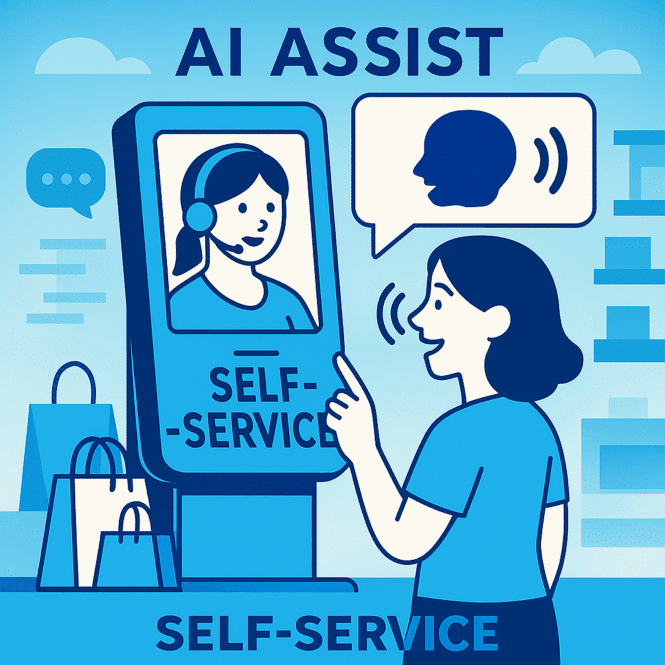
All About Retail Kiosks
Retail kiosks solve bottlenecks at checkout, extend digital capabilities into the aisle, and give shoppers faster control over tasks like paying, looking up inventory, and accessing services without waiting for staff.
What problems do kiosks solve in retail?
Retail kiosks reduce line congestion, speed up routine transactions, and free associates to focus on higher‑value service instead of basic scanning and payments. They also close “digital gaps” in‑store by letting customers look up stock, browse extended assortments, enroll in loyalty, or print tickets without needing a team member right away.
Do kiosks reduce checkout lines?
Yes, self‑checkout kiosks allow multiple customers to complete purchases in parallel, which shortens queues and smooths peak‑time spikes. When deployed correctly, stores process more baskets per hour with fewer bottlenecks, while keeping at least some staffed lanes for assistance and large or complex baskets.
How do kiosks integrate with POS systems?
Retail kiosks typically run the same or tightly connected POS software as your manned lanes, sharing pricing, promotions, tax rules, and tender types. Transactions flow through the POS just like a regular register, ensuring inventory, receipts, and reporting stay in sync across kiosks, counters, and e‑commerce.
Are kiosks used for more than checkout?
Yes, retail kiosks cover far more than self‑checkout: they power endless‑aisle ordering, product finders, price checkers, loyalty and credit applications, ticketing, returns, and customer service check‑in. Many retailers also use kiosks for click‑and‑collect pickup, digital signage with interactivity, and guided selling in categories like electronics, apparel, and DIY.
Do kiosks increase shrink or theft risk?
Poorly designed self‑checkout can create opportunities for misuse, but modern kiosk platforms include loss‑prevention features such as weight verification, cameras, AI‑based suspicious‑behavior detection, and random audits. When combined with smart store design and attendant oversight, kiosks can keep shrink at acceptable levels while still delivering speed and labor savings.
How do customers respond to retail kiosks?
Most shoppers respond positively when kiosks are intuitive, clearly signed, and backed up by staff help nearby. Customers value faster trips, less waiting, and privacy for certain purchases, and many now actively choose self‑service when given the option.
What retail formats benefit most from kiosks?
High‑volume formats such as grocery, big‑box, discount, DIY, convenience, pharmacies, and specialty chains with peak‑time queues see the biggest operational gains. Kiosks also work well in smaller stores and specialty boutiques for endless aisle, guided selling, and click‑and‑collect where space and staff are limited but digital expectations are high.
More Resources
- Self-Service Kiosks for Retail
- Choosing A Manufacturer
- Self-Service Kiosk Machine: Revolutionizing Retail
- Retail Kiosks Manufacturers
- Retail kiosk – Improving Customer Satisfaction with Online Selection …
end of faq