
Last Updated on August 5, 2026 by Craig Allen Keefner
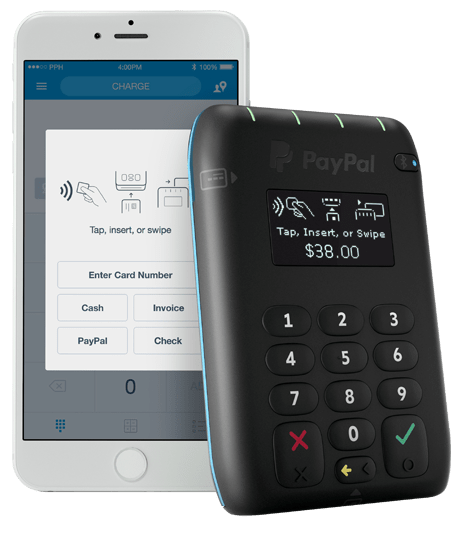
With the arrival of Apple Pay and, more recently, Android Pay, consumers are becoming more comfortable with alternative ways of paying that don’t involve credit card swipes. And now, with the U.S.’s transition to EMV – smart cards that store data on chips instead of magnetic stripes, which offers increased security – many business owners will have to upgrade their hardware in order to support these newer chip-and-PIN cards.
Today, PayPal unveiled its strategy to compete amid all the changes taking place in the payments landscape with the unveiling of its PayPal Here Chip Card Reader in the U.S. The reader now supports not only EMV, but also magnetic stripe cards and NFC, including Apple Pay, Android Pay, Samsung Pay, and more.
As PayPal VP and GM Brad Brodigan explains, consumers today expect to “pay anywhere, anytime and any way they please,” which is why the company needed to enter the game with a multi-functional card reader. At the same time, businesses themselves are preparing for the EMV liability shift taking place on October 1, 2015. At that time, merchants who won’t accept chip cards will become liable for point-of-sale fraud when customers use their chip cards – a strong incentive to encourage business owners to upgrade their hardware. That’s where the PayPal Here reader comes in.


