

Last Updated on July 6, 2026 by Craig Allen Keefner
Wristband Printing and Encoding at a Kiosk
Boca Systems, Inc. has been a leading manufacturer of high-speed thermal printers for the past 44 years. BOCA’s printers can be configured for use with various media, such as thermal tickets, labels, receipts, or wristbands. The last item has experienced increased demand in the past couple years, especially with optional RFID encoding capabilities.
Editors Note: Boca will be at the upcoming IAAPA show and is available for meetings.
“We have seen increased sales of our kiosk printers for use with both RFID and standard thermal wristbands, with RFID wristbands playing a bigger role at theme parks, festivals, fairs, and for hospitality”, says Louis Rosner, Boca Systems’ Vice President.
“With an RFID wristband, clients report improved access control and increased sales of products throughout the venue, including food, swag, etc,” Louis shared.
-
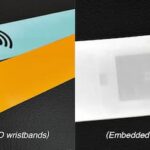
- RFID Wristbands

-
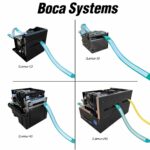
- Four ticket printers from Boca Systems are displayed against a white background. Each model, labeled Lemur-C, Lemur-X, Lemur-K, and Lemur-2K, showcases its versatility by printing tickets with teal and yellow accents, highlighting their capability for wristband printing as well.
-
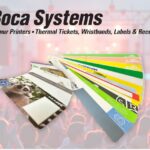
- A promotional image for Boca Systems showcasing wristband printing alongside thermal tickets, labels, and receipts. The text reads: Boca Systems – Lemur Printers – Thermal Tickets, Wristbands, Labels & Receipts.

The BOCA kiosk printer will print any required data on the wristband (such as a barcode, text or graphics) and encode on an RFID chip embedded within the wristband. Popular BOCA models include the Lemur-K, Lemur-C and Lemur-X, as well as the dual path kiosk printer, the Lemur-2K. BOCA supports the most popular RFID chips, including Mifare, UHF and Icode.
In addition to producing high speed thermal printers, BOCA prides itself in providing the highest quality wristbands for use with its printers. “Our wristbands are designed by the same folks that engineer our printers, so we are confident that our wristbands are the best choice for optimal kiosk and printers operations”, Rosner shared.
For further information on BOCA’s wristband printers and media, please contact Louis@bocasystems.com
Are Wristbands Popular?
Yes, wristband tickets are very popular at amusement parks! They offer several benefits that enhance the guest experience:
- Convenience: Wristbands, especially those with RFID technology, allow for quick and easy access to rides, attractions, and other park amenities. They can also be used for cashless payments, making it easier for guests to purchase food, souvenirs, and other items without carrying cash or cards.
- Security: These wristbands are often tamper-proof and non-transferable, reducing the risk of lost or stolen tickets.
- Efficiency: Wristbands help reduce queue times at entry points and rides, as they can be scanned quickly. This improves the overall flow of guests throughout the park.
- Customization: Many parks offer customizable wristbands that can be branded with the park’s logo or special designs, adding a fun and personalized touch to the guest experience.
For example, Disney’s MagicBands are a well-known implementation of this technology, allowing guests to enter parks, unlock hotel rooms, and make purchases with just a tap.
Have you used wristband tickets at an amusement park before? How was your experience?
More Wristband Printing Related Posts
- BOCA Releases Kiosk Printer for Receipt, Ticket, Label or Wristband …
- IAAPA Kiosk Update – 2024 – Pyramid, TPGi, RedyRef & AcquireDigital
- HIMSS 2024 Wrap Kiosk Association Booth 2189
- Ticket kiosk – Kiosk Industry


