
Last Updated on August 3, 2026 by Craig Allen Keefner
Retailers like Walmart and Target are facing significant challenges with self-checkout (SCO) systems due to a surge in retail theft, known as "shrink," which escalated by nearly $20 billion in a single year. To combat this, retailers are evolving their SCO technology by integrating artificial intelligence (AI) with cameras and sensors to detect unscanned items, with Target aiming to deploy new AI-powered systems in all stores by the end of 2024. Additionally, businesses are adapting their operational models by introducing attended SCO terminals, limiting item counts, and deploying receipt-scanning gates to mitigate losses. Despite these issues, the future of SCOs is expected to involve a comeback with these advanced AI-powered systems.
Self Checkout and Retail Theft
What are the main issues and developments regarding self-checkout systems in retail?
The main issues and developments regarding self-checkout systems in retail include rising retail theft, the evolution of self-checkout technology with AI, adapting business models, and the future comeback of SCOs with advanced AI-powered systems. Major retailers like Walmart and Target are closing self-checkout terminals due to a spike in shoplifting, leading to a loss called “shrink” which surged nearly $20 billion in a year. Self-checkout (SCO) technology is evolving with the integration of artificial intelligence (AI) to combat theft, using cameras and sensors to detect unscanned items. Retailers are adjusting their SCO-to-cashier ratio and introducing measures like attended SCOs and receipt-scanning gates to prevent shoplifting. Despite challenges, the SCO technology is poised for a comeback with new AI-powered systems expected to be deployed by the end of 2024. Target, for example, is using AI to develop a new system that uses cameras and sensors to detect items that shoppers fail to scan, aiming to deploy it in all stores by the end of 2024. The SCO business model is also adapting to prevent shoplifting: Costco has created “attended” self-checkout terminals, and Target has begun limiting self-checkout to 10 items or less. Receipt-scanning gates are reportedly being deployed at grocery stores, such as Safeway. Retailers are reexamining their SCO-to-Cashier ratio, with industry analysts suggesting a good rule of thumb is one SCO for every one cashier, as some retailers currently use a ratio of four or more SCOs per human cashier. As retailers gain experience, they are adjusting their store’s ratio to find a mix that improves customer experience and protects the bottom line.
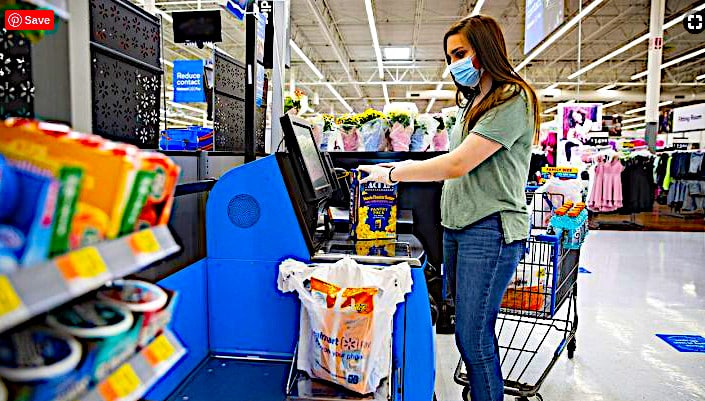 Summary of the key points:
- Rising Retail Theft: Major retailers like Walmart and Target are closing self-checkout terminals due to a spike in shoplifting, leading to a loss called “shrink” which surged nearly $20 billion in a year
- Self-Checkout Evolution: The self-checkout (SCO) technology is evolving with the integration of artificial intelligence (AI) to combat theft, using cameras and sensors to detect unscanned items.
- Adapting Business Models: Retailers are adjusting their SCO-to-cashier ratio and introducing measures like attended SCOs and receipt-scanning gates to prevent shoplifting.
- Future of SCOs: Despite challenges, the SCO technology is poised for a comeback with new AI-powered systems expected to be deployed by the end of 2024
Main issues and developments regarding self-checkout systems in retail as discussed on the page.
Excerpt
Target, for example, is using artificial intelligence (AI) to develop a new system that uses cameras and sensors to detect items that shoppers fail to scan. It will create audio and visual alerts and identify shoppers who ignore notifications and repeatedly fail to scan their items after being prompted, Daily Mail reports. Target is hoping to deploy the new AI-powered SCO technology in all stores by the end of 2024.
The SCO business model is also adapting to prevent shoplifting:
- Costco has created “attended” self-checkout terminals, where human staff supervise customers as they scan and pay for their purchases, which have proved effective.
- Target has begun limiting self-checkout to 10 items or less.
- Receipt-scanning gates are reportedly being deployed at grocery stores, such as Safeway.
- Retailers are reexamining their SCO-to-Cashier ratio.
The one of the biggest problems is that retailers been too zealous, often overweighting their checkout mix of SCOs and cashiers, industry analysts say. While a good rule of thumb is to have ratio of one SCO for every one cashier, some retailers are currently using a ratio of four or more SCOs per human cashier.
Thus, as retailers continue to gain experience with self-checkout, they’re adjusting their store’s ratio to find a mix that both improves the customer’s shopping experience and also protects the retailer’s bottom line.
Where can I find more resources on checkout systems and experiences?
-
Where can I find more resources on checkout systems and experiences?
- https://retailsystems.org/aldi-produce-scanner-speeds-up-self-checkout/
- https://retailsystems.org/just-walk-out-checkout-whole-foods-offers-amazons-cashierless-technology/
- Walmart Checkout Experience Seeks to Eliminate the Wait at Register
- Retail Systems – Target’s Digital Era Comes With Job Cuts
- Checkout Free – Grabango and MAPCO


