
Last Updated on August 6, 2026 by Craig Allen Keefner
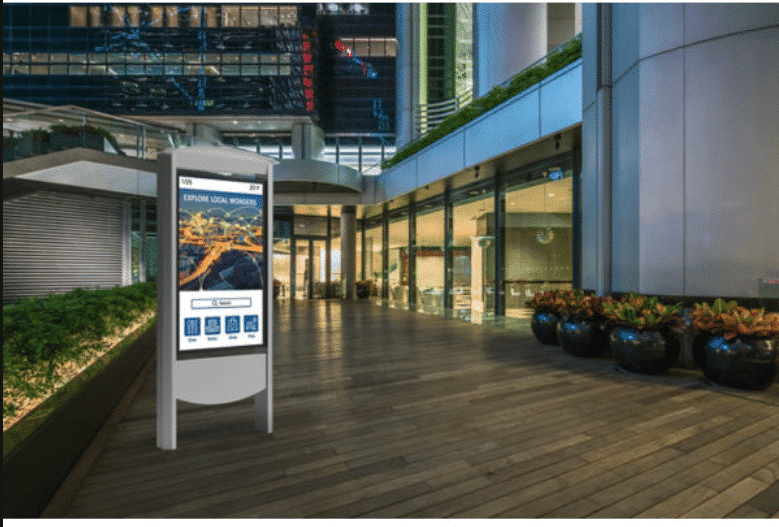
peerless-av smart city kiosk image
From Smart City Design Feb 2021
Feb 5, 2021 — Statement from Storm Interface following conference call with NFB on the use of personal phones as an accessible interface to Smart City terminals.
Statement for submission to the NFB, the Federal Access Board and Storm sales personnel.
Use of personal phones as an accessible interface
As a manufacturer of Accessible System Interface Devices, including Touchless Kiosk Interface Devices (TKI), Storm Interface are concerned that, following the NFB online conference (IKE Smart City Presentation), clarification is needed about the suitability of mobile phones as a primary (or sole) accessible interface to self-service and ICT systems.
Our concern centers around the needs of people with a diverse range of sensory, physical, dexterity, and cognitive impairments. Including, but certainly not limited to, those with sight impairments.
Use of a touchscreen smartphone as a primary system interface discriminates against the following groups: –
- The significant socio-demographic group without the financial resources to purchase an internet-enabled mobile phone or pay for a service plan to support prolonged internet connectivity and/or application downloads.
- Those visitors to the USA (and other travelers) without international phone service or a roaming capability across all 50 states.
- Those with phones not capable of maintaining battery charge during prolonged periods of use.
- And, most significantly, those with impaired dexterity including, but not limited to; palsy, neuropathy, tremor, missing or atrophied limbs or digits, muscular dystrophy, etc.
When proposing Storm’s Touchless Kiosk Interface (TKI) as an aid to accessibility it is our policy to promote TKI as part of a multi-technology accessible interface solution. It should only be promoted as an augmentation and supplement to tactilely discernible navigation and control of both audible content and visible content displayed on a screen. It cannot and should not be promoted or considered as a compliant accessible interface when used in isolation.
For more information visit Storm Interface


